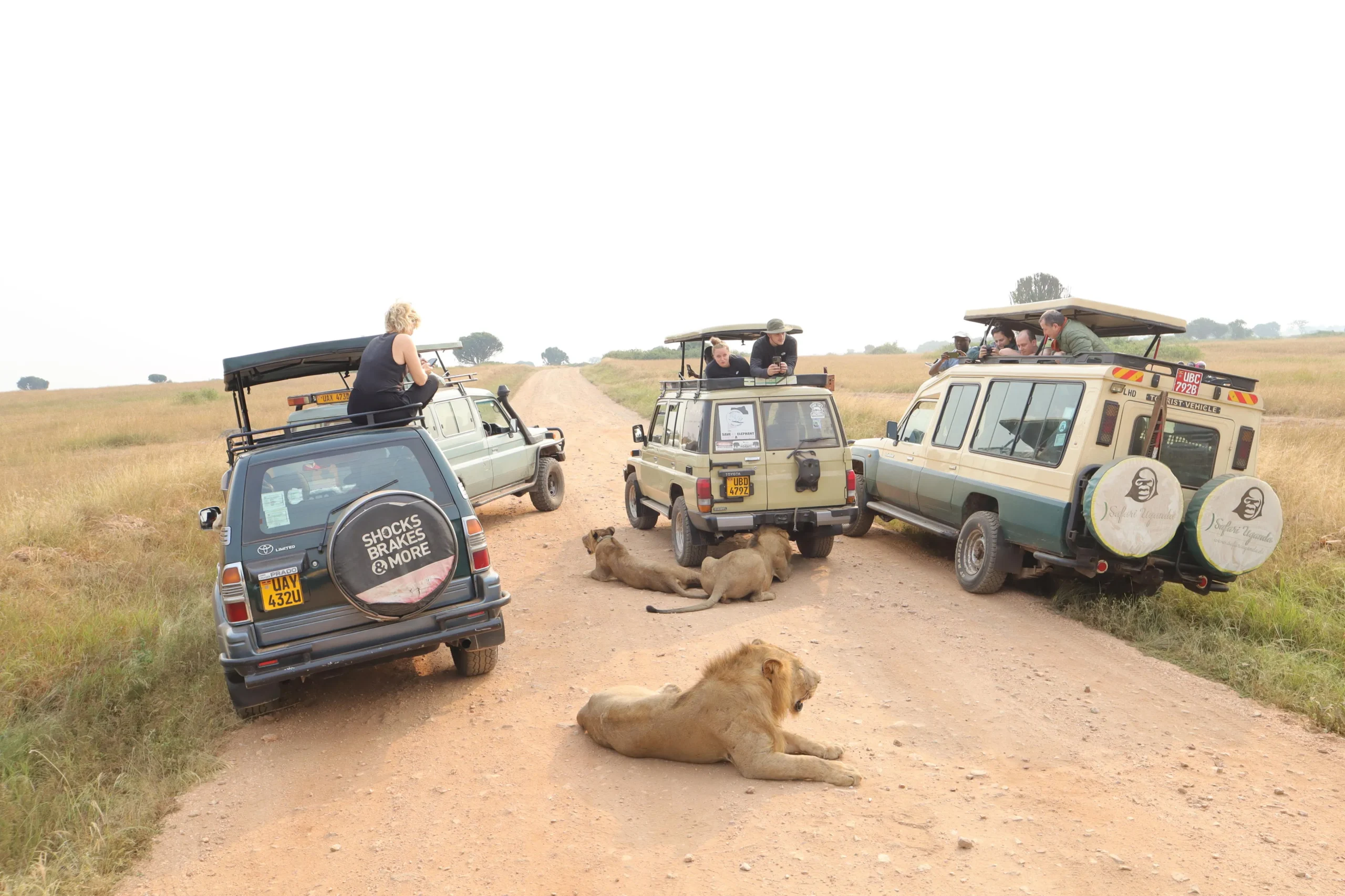
International and domestic tourists heavily rely on technology to book their travel from transport to accommodation.
For decades, Uganda’s tourism sector has been a vital contributor to the national economy, attracting adventurers, nature enthusiasts, and cultural explorers from across the globe.
However, in an increasingly interconnected world, the traditional models of tourism are rapidly evolving.
The advent of digital technology and innovative applications is not just enhancing the visitor experience but fundamentally transforming how Uganda’s tourism industry operates, markets itself, and engages with the global traveller.
The digital revolution has introduced a suite of tools that are proving instrumental in bringing Uganda’s tourism sector up to date. These innovations are touching every aspect of the travel journey, from initial inspiration and planning to on-ground experiences and post-trip engagement.
The digital transformation of Uganda’s tourism sector is fundamentally reshaping how travelers plan and experience their journeys, making the “Pearl of Africa” more accessible and appealing than ever before.
A significant driver of this change is the proliferation of online travel agencies (OTAs) and specialized booking platforms. These digital storefronts have democratized travel planning, allowing tourists to directly research, compare, and book flights, accommodations, and tour packages online, moving beyond traditional travel agents.
This increased online visibility empowers local Ugandan businesses, from boutique lodges to safari companies, to reach a global audience, streamlining booking processes and fostering transparency through detailed itineraries, high-quality images, and customer reviews.
Complementing these platforms is the rise of mobile applications, which act as indispensable pocket travel companions. Recognizing the widespread use of smartphones, the Uganda Tourism Board (UTB) launched the “Explore Uganda” mobile app, serving as a comprehensive one-stop shop for tourists.
This app offers detailed destination guides, real-time event updates, interactive maps, and personalized itinerary suggestions, covering everything from national parks to licensed accommodations.
Beyond this official app, other crucial mobile tools like Google Maps for navigation, Uber and SafeBoda for convenient and safe transportation, XE Currency for real-time exchange rates, TripIt for itinerary organization, iNaturalist for nature identification, and WhatsApp for seamless communication collectively empower travelers with information, convenience, and safety, enhancing their overall experience in Uganda.
Further enriching the tourism landscape are immersive technologies like Virtual Reality (VR) and Augmented Reality (AR), which, though nascent, hold immense potential.
VR allows prospective travelers to virtually “visit” destinations, offering compelling previews of national parks and cultural sites from home, serving as a powerful marketing tool. AR, conversely, can enhance on-site experiences by overlaying digital information onto the real world, providing historical facts or wildlife identification.
Simultaneously, digital marketing and social media platforms, including Instagram, TikTok, and YouTube, have become vital for promoting Uganda’s tourism.
Tour operators and influencers leverage these channels for visual storytelling, sharing captivating images and videos that directly engage potential visitors, building trust through peer-to-peer recommendations and user-generated content.
The transformation also extends to financial transactions and personalized services. The widespread adoption of mobile money platforms and international payment gateways like PayPal has revolutionized payments, simplifying cashless transactions for both local and international tourists, thereby improving the overall travel experience.
Moreover, the increasing volume of online interactions generates valuable data, which tourism businesses can leverage through data analytics to understand traveler preferences and identify trends.
AI-powered chatbots are also emerging, offering instant customer service, answering queries, and assisting with bookings, thereby enhancing efficiency and accessibility.
These technological advancements collectively make Uganda’s diverse attractions more accessible, its services more efficient, and its travel experiences more personalized for a global audience.